- 1 year health guarantee for all our exotic pets on sale
- [email protected]


Are you a ball python lover or looking to buy one? First, visit our website, where we sell the world’s top-quality ball pythons. Our snakes are healthy, well-treated, and medically fit. In addition, we offer multiple morphs and discounts to suit every collector or beginner. Moreover, you can shop from anywhere in the U.S. because we ship nationwide.
Ball pythons have become highly popular in the reptile trade over the last decade. Therefore, buying ball pythons for sale online connects you to professional and hobbyist breeders. Meanwhile, our 30+ years of experience ensures guaranteed genetics, healthy animals, and competitive prices every day. Next, it’s important to read about the perfect tank setup [here] before purchasing.
Ball pythons are non-venomous snakes that make popular pets due to their generally docile nature. However, they may bite if threatened.
Additionally, our snakes can be considered “ball pythons for sale near me” because we ship to almost any location. Consequently, distance is not a barrier for our customers.
Average length: 4–5 feet (can grow to 6 feet)
Weight: 3–5 pounds
Features: small head, thick body, ivory belly, patterned scales with brown spots, yellow stripes from nostrils to eyes
Shedding: every 4–6 weeks, taking 3–4 days
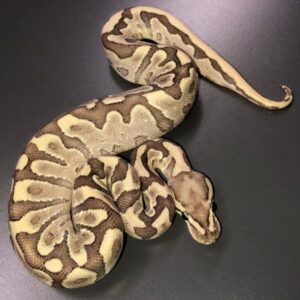
In fact, these traits make ball pythons recognizable and easy to identify. Similarly, their markings help differentiate morphs like albino or banana.
Quadrate bone allows wide mouth opening
Heat-sensing pits detect prey
Tongue provides a keen sense of smell
In the wild, ball pythons live in Sub-Saharan Africa. They inhabit grasslands and scattered forests, hiding during the day under leaf piles, fallen logs, rocks, or burrows. Meanwhile, they hunt at night, showcasing their nocturnal behavior.
Ball pythons can consume prey twice their head size, including:
Rats, shrews, jerboas
Other small mammals and birds
In addition, they constrict prey to secure it before swallowing.
Ball pythons are not aggressive. Instead, they retreat and curl into a ball when threatened. As a result, bites are rare but may occur. With ~150 hooked teeth, they grip prey effectively while constricting.
Ball pythons (Python regius) are native to Central and Western Africa. They live in grasslands, savannahs, and farmland, spending most of their time in burrows.
They are crepuscular (active at dawn and dusk)
Labial pits detect infrared radiation from prey
Eyes are covered by a thin, transparent spectacle
Anal spurs appear on both sides of the vent; males’ spurs are longer
Furthermore, these adaptations allow them to thrive in their natural environment. Similarly, their burrowing habits inform how we set up enclosures.
Enclosure
Adult tank: 8ft × 4ft × 2ft (twice the snake’s length)
Material: sturdy, nonabsorbent (glass, plastic, Plexiglas)
Provide a horizontal temperature gradient
Include at least two hides: one near heat, one on the cooler side
Moreover, longer enclosures are better than taller ones because ball pythons are ground-dwelling.
Substrate Options
Newspaper, butcher paper, or reptile carpet for low maintenance
Bioactive substrates for decorative setups, requiring daily cleaning
Avoid pine, aspen, and loose sand
In contrast, bioactive setups demand more attention but offer a natural look
Temperature
Basking site: 95°F
Warm side: 80–85°F
Cool side: ≥70°F
Therefore, never use hot rocks to avoid burns or dehydration
Lighting
Photoperiod: 12h light/12h dark in winter; 14h light/10h dark in summer
Use UVB/A bulbs for behavioral benefits and vitamin D3 synthesis
Additionally, timers help maintain consistent light cycles
Humidity
Maintain 50–70% humidity
Provide a water bowl for soaking
Mist enclosure every 24–48 hours if needed
As a result, you prevent shedding problems and respiratory infections
Feed freshly killed or frozen-thawed rodents
Growing snakes: once weekly
Adults: once every 2–4 weeks
Moreover, avoid overfeeding to prevent obesity and constipation
No supplements are required if prey is healthy
Similarly, observe your snake’s appetite and health to adjust feeding as necessary.
Support the snake with both hands
Avoid handling before/after feeding or during shedding
Transport in a tied cloth pillowcase inside a plastic container
Furthermore, wash hands after handling to prevent salmonella
Meanwhile, never let children under 5 or immunocompromised individuals handle snakes
With proper care, ball pythons can live into their 20s. Therefore, we recommend:
Annual exams with fecal parasite checks
Monitoring for anorexia, shedding issues, respiratory infections, parasites, or burns
Consult exotic veterinarians for medical concerns
Ultimately, regular care ensures a long, healthy life
We ship ball pythons to your door. Simply tell us your location and preferred timing, and we handle the rest. As a result, you get a healthy snake delivered safely without leaving home.
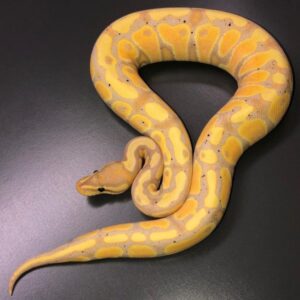
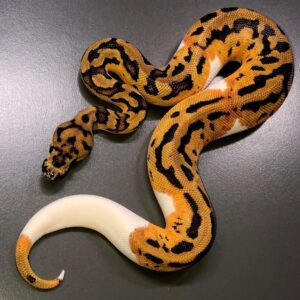
Bright yellow blotches with dark freckles
Selectively bred from West African ball pythons
Docile, hardy, beginner-friendly
Prices: ~$1,300
In addition, they are easy to care for and handle
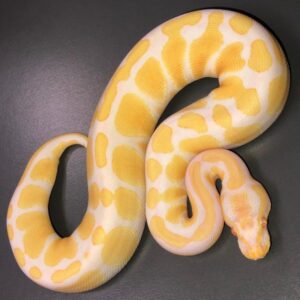
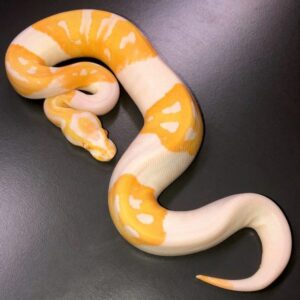
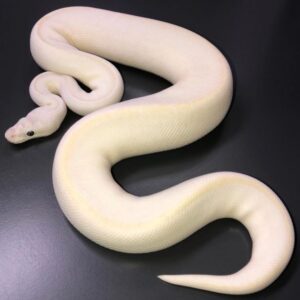
White body with yellow markings, pink/red eyes
Easy to care for and beginner-friendly
Grow 3–5 feet
Docile temperament
Moreover, albinos make perfect starter pets
Both morphs are high-quality and competitively priced. Furthermore, they represent the best genetics and care standards available
Contact us 24/7 for assistance
Check our articles for tips on care and setup
Additionally, explore our site for other exotic pets beyond ball pythons
If you are interested in reading more about ball pythons then you should check out the link below so you can be better informed before going ahead to make the decision to buy a ball python as a pet.
Read more about ball pythons before you go ahead and buy one.